
Community Initiatives
The MDTA is committed to working alongside the communities impacted by the Key Bridge Rebuild through a variety of meaningful programs and partnerships. From supporting local schools to volunteering in the community, these efforts are designed to strengthen connections, provide resources, and uplift the communities affected.
Pantry-On-The-Go Program
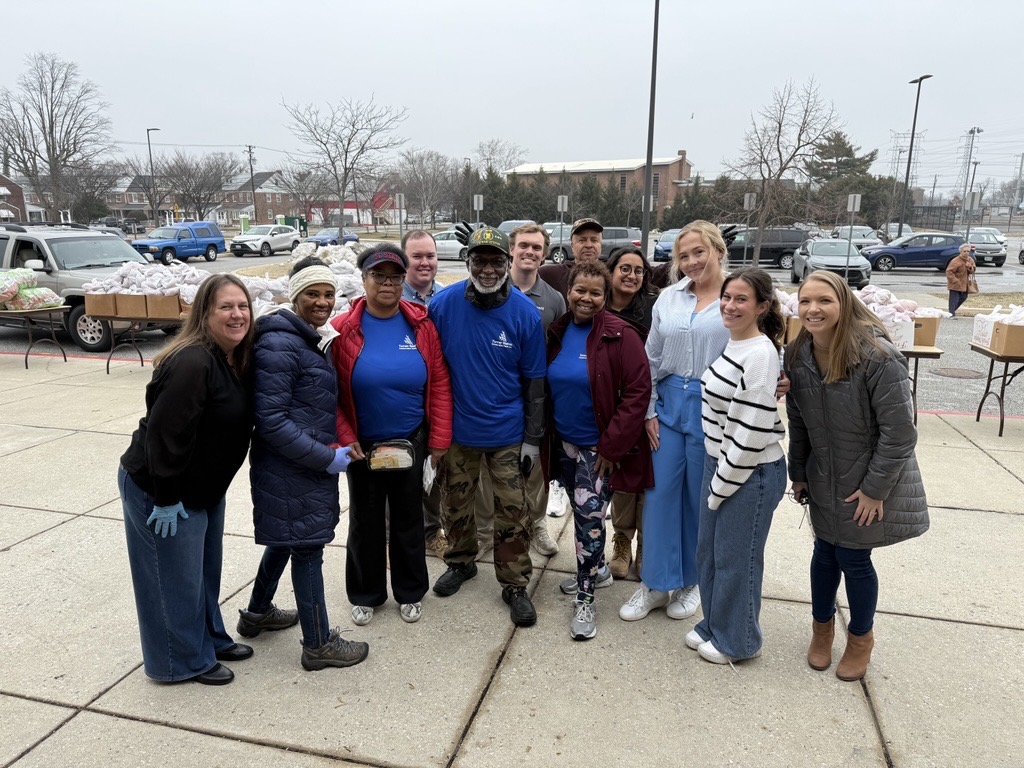
The Key Bridge Rebuild team is proud to support the Turner Station Conservation Teams and their impactful work, including the Pantry-On-The-Go program. Serving Dundalk and the greater Baltimore area, Pantry-On-The-Go uses grant funding to provide fresh fruits and vegetables to neighbors in need, helping ensure greater access to nutritious, healthy foods. Monthly distribution days draw large crowds and reflect the strong community support behind the effort. Volunteers are essential to the program’s success, and the team continues to welcome new helpers who want to make a meaningful difference in the community.
Job Fair
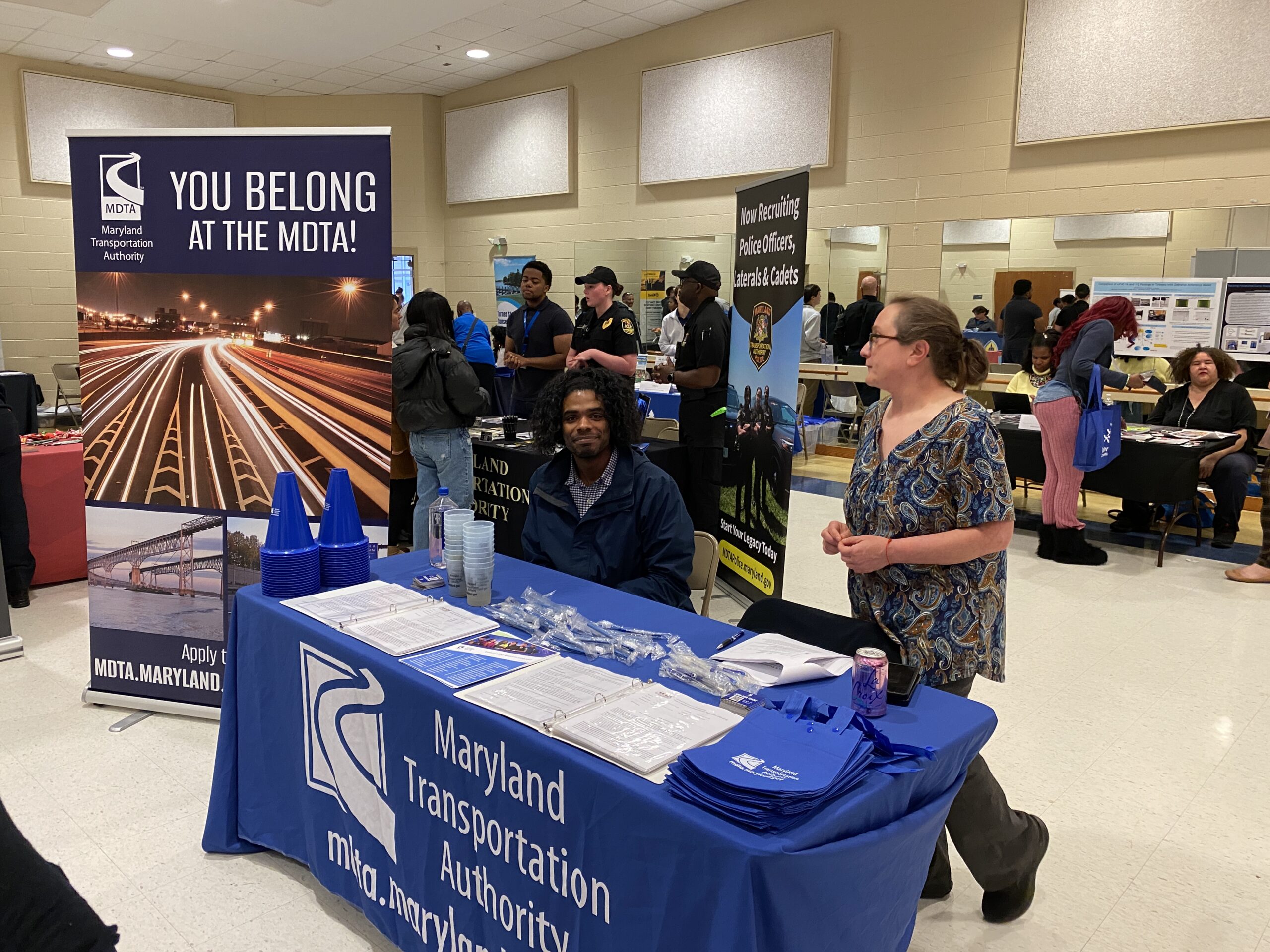
The Key Bridge Rebuild team partnered with the Turner Station Conservation Teams to host a job fair in 2025 and 2026 which featured 19 employers, agencies, and resource organizations, along with representatives from various city and county offices. The event attracted over 70 attendees, engaging participants across different age groups.
Book Drive and Read Across America Week
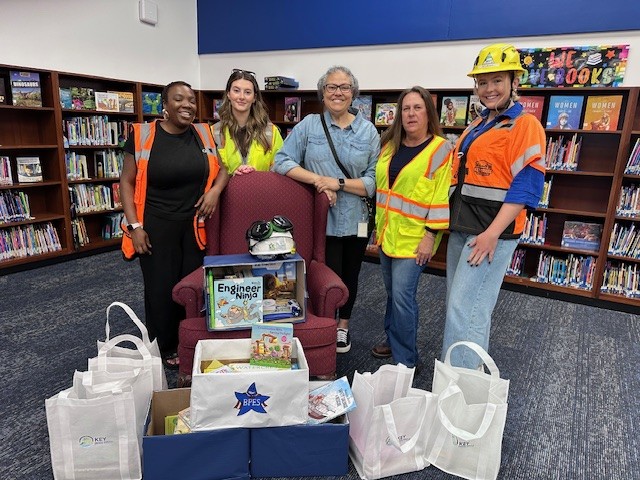
The Key Bridge Rebuild team celebrated Read Across America Week by going to Brookland Park Elementary, Norwood Elementary, and Baybrook Elementary to read “I want to be an Engineer” to kindergarten students followed by a book drive that donated over 500 books to the schools as well.
Bridge to the Future Sticker Challenge
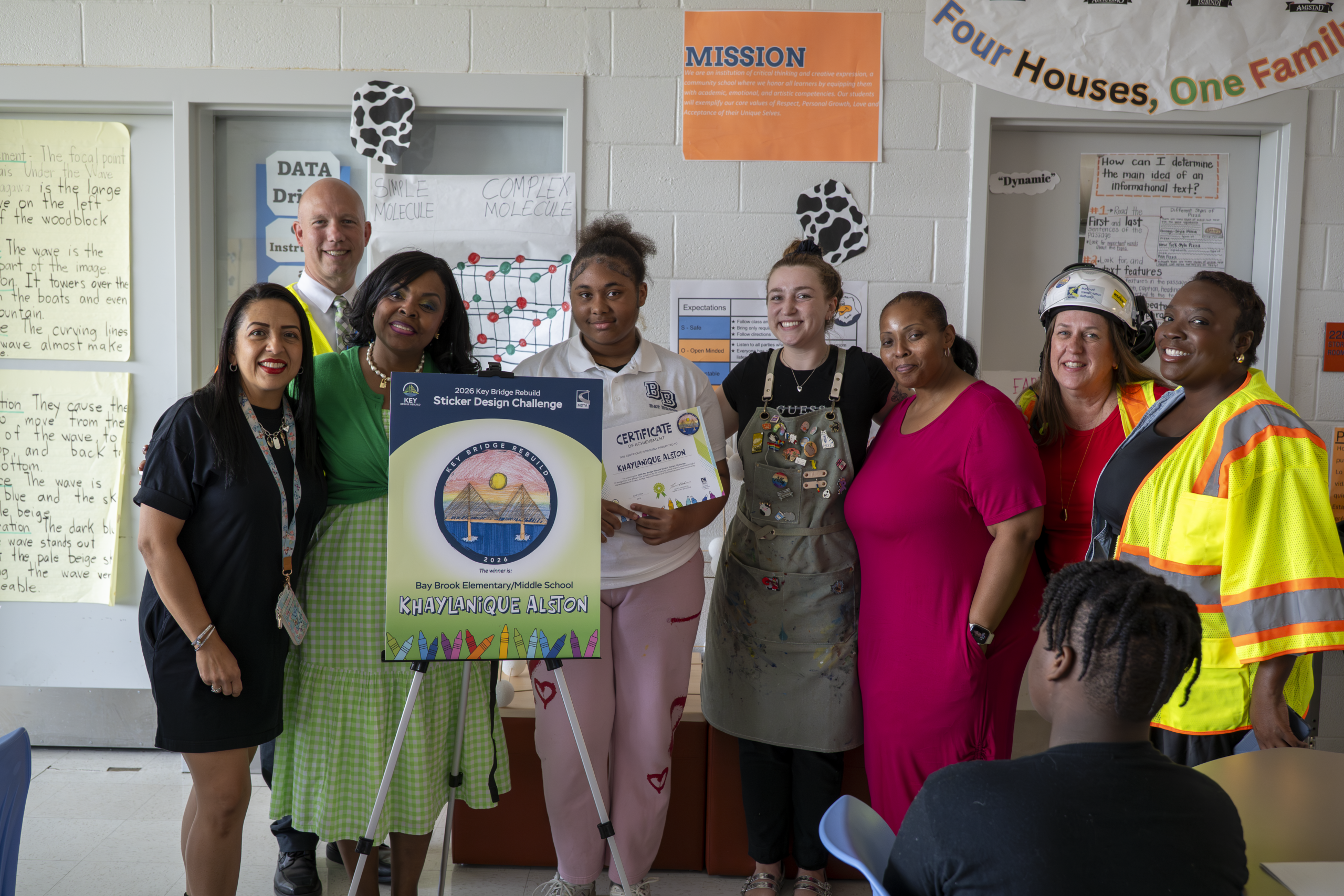
The Key Bridge Rebuild team partnered with Brooklyn Park Elementary, Norwood Elementary, and Baybrook Elementary/Middle school to pilot the “Bridge to the Future” Sticker Challenge. Over 200 students from these 3 schools representing Baltimore City, Baltimore County, and Anne Arundel County created their own sticker design to share their unique visions of what the new bridge means to their communities. The winning sticker design will travel far beyond the classroom to the construction site where the crew will proudly wear them on their hard hats.

Winter Pajama and Toy Drive
The Key Bridge Rebuild team partnered with the Turner Station Conservation Teams to host a toy and pajama drive to help local families during the winter season. Over 100 new pajamas were gifted at the Annual Breakfast with Santa.
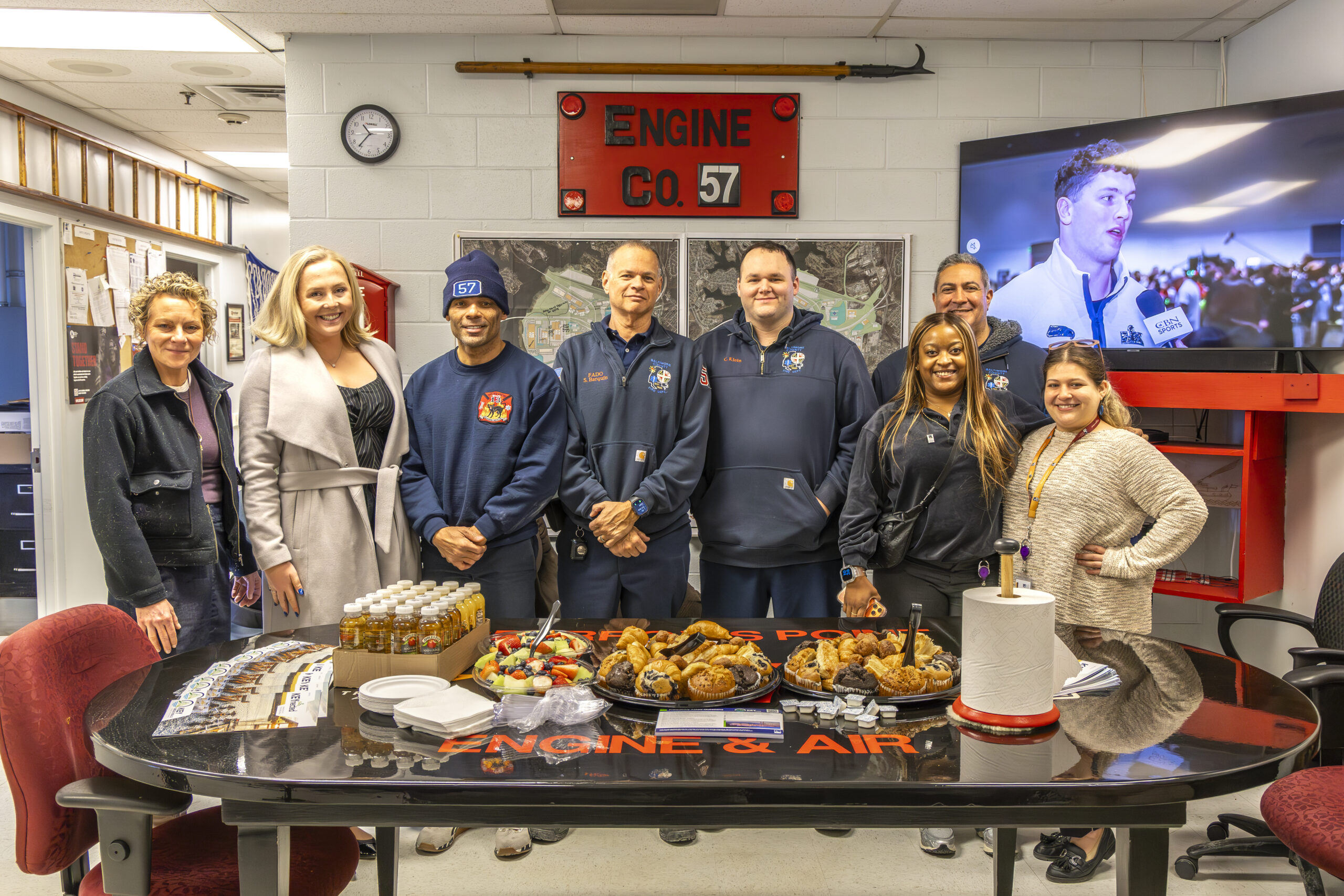
Breakfast with Fire Station 57
The Key Bridge Rebuild team thanked our dedicated firefighters at Baltimore County Fire Station 57 for their continued service and commitment to keeping our community safe. Located within the district for the Key Bridge Rebuild project, the crews shared breakfast and had the opportunity to connect, express appreciation, and recognize the vital role our first responders play every day. The MDTA is thankful for the strong partnerships and continued collaboration as this important project moves forward.
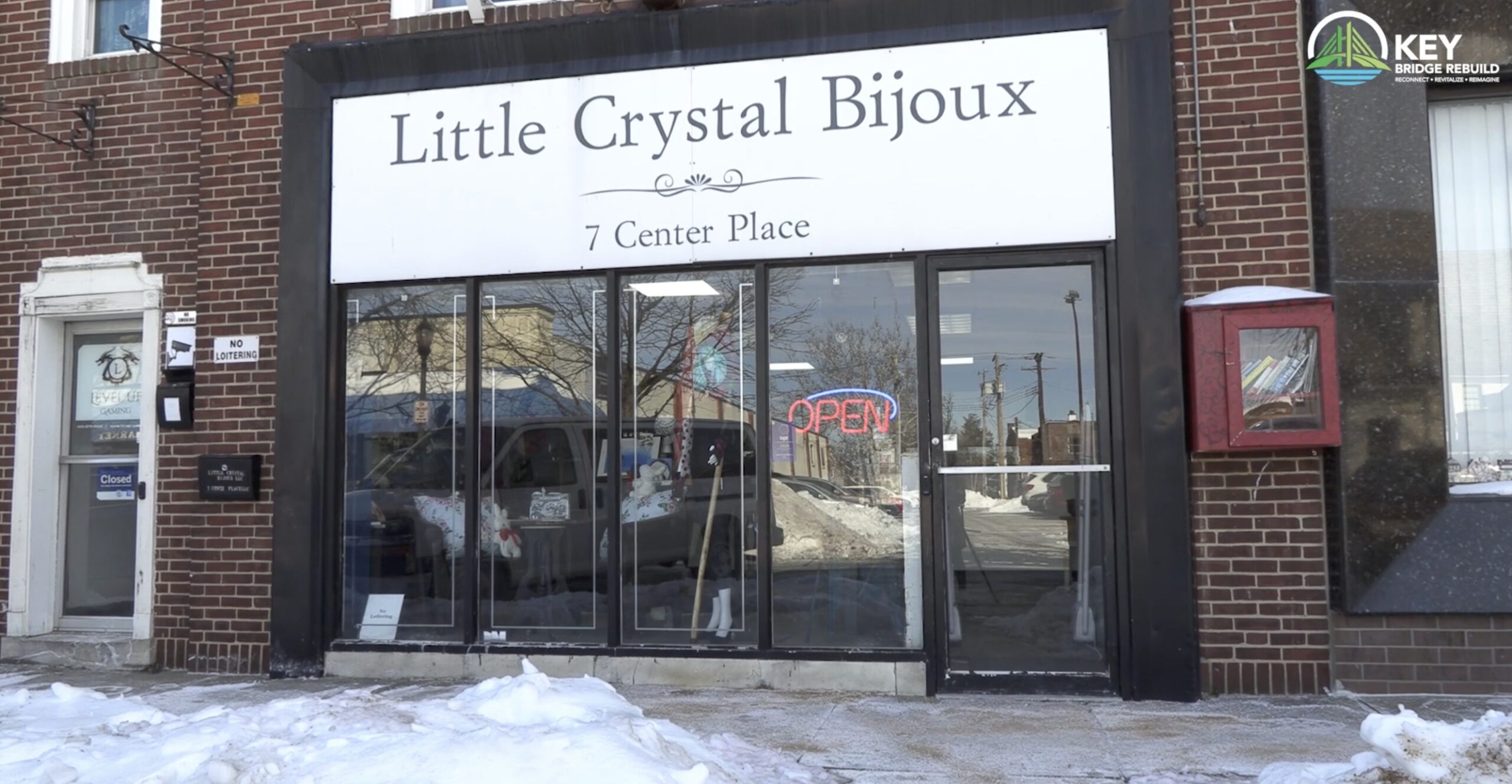
Are you a small business, retail store, or restaurant near the Key Bridge Rebuild and want to be featured in a future spotlight? Contact us through KeyBridgeRebuild.com.
Community FAQs
The MDTA and the Progressive Design-Builder are working to refine the cable-stayed bridge design and schedule. A more firm estimate of the schedule is anticipated to be available later this year. We remain committed to pursuing all available options to ensure the Key Bridge is rebuilt with safety, economic vitality, and sound stewardship of taxpayer dollars being top of mind.
Pre-construction began in January 2025 and construction is expected to begin in late 2025 with production pile installation.
The State of Maryland continues to pursue the DALI’s owner and manager for all of the damages caused by their negligence and incompetence – including the cost to reconstruct the Francis Scott Key Bridge – so that the parties responsible for this tragedy pay for the damages they caused. The American Relief Act, 2025, provides that if any additional funds are required to build the new bridge beyond the compensation paid by the DALI, the federal government will provide that funding.
The bridge piers will be protected by pier protection structures, which will be designed per the latest American Association of State Highway and Transportation Officials (AASHTO) specifications and follow best practices for modern vessel collision protection. Additionally, the main span length of the bridge has been increased to provide additional clearance from the shipping channel.
Visit Commuter Choice Maryland for free resources and incentives to support employees and employers.
While the demolition and rebuild process may have some impact, as noted above, the Federal Highway Administration (FHWA) determined that the replacement Key Bridge will have limited environmental impacts, as it stays within MDTA’s right-of-way and maintains the same four-lane capacity.
Yes, there will be a memorial for the original Francis Scott Key Bridge and the six workers who lost their lives. Formal plans have not been finalized.
The MDTA collaborates closely with state and local partners to minimize impacts on the Patapsco River and surrounding communities. Boat traffic is limited to old main span piers, including the navigational channel and the 150-foot buffer areas on either side of the channel near the construction site. Fort Armistead Park and Bear Creek access will remain open through construction of the new bridge. Waterway users need to slow down and use caution while transitioning through the permissible areas. A 6-knot speed zone has been implemented by the Maryland Department of Natural Resources extends 1,500 feet upstream of the old bridge and 1,500 feet downstream of the new bridge, excluding the navigation channel. The U.S. Coast Guard-enforced Temporary Safety Zones (TSZs) or Exclusion Zones are similar but defined by white buoys and based on active work. The TSZs will be in place for the duration of the demolition and rebuild processes.
Demolition of the remaining Key Bridge structures—both on land and over water—started in summer 2025. Heavy machinery was used throughout the process, which did not involve controlled detonations.
Work included the removal of the deck, barriers, and parapets over the river from both Hawkins Point and Sollers Point. Crews will then remove the girders, and piers on the landside approaches, down to just below ground level, at both locations. The final step will be the removal of the original north and south abutments.
Sign Up for Alerts
I would like to opt-in to receive project related emails and/or text messages from the Key Bridge Rebuild team.