

Construction Updates
What You Need to Know
Whether you live, work, or travel near the bridge, we want you to know what to expect and what we’re doing to minimize disruptions.
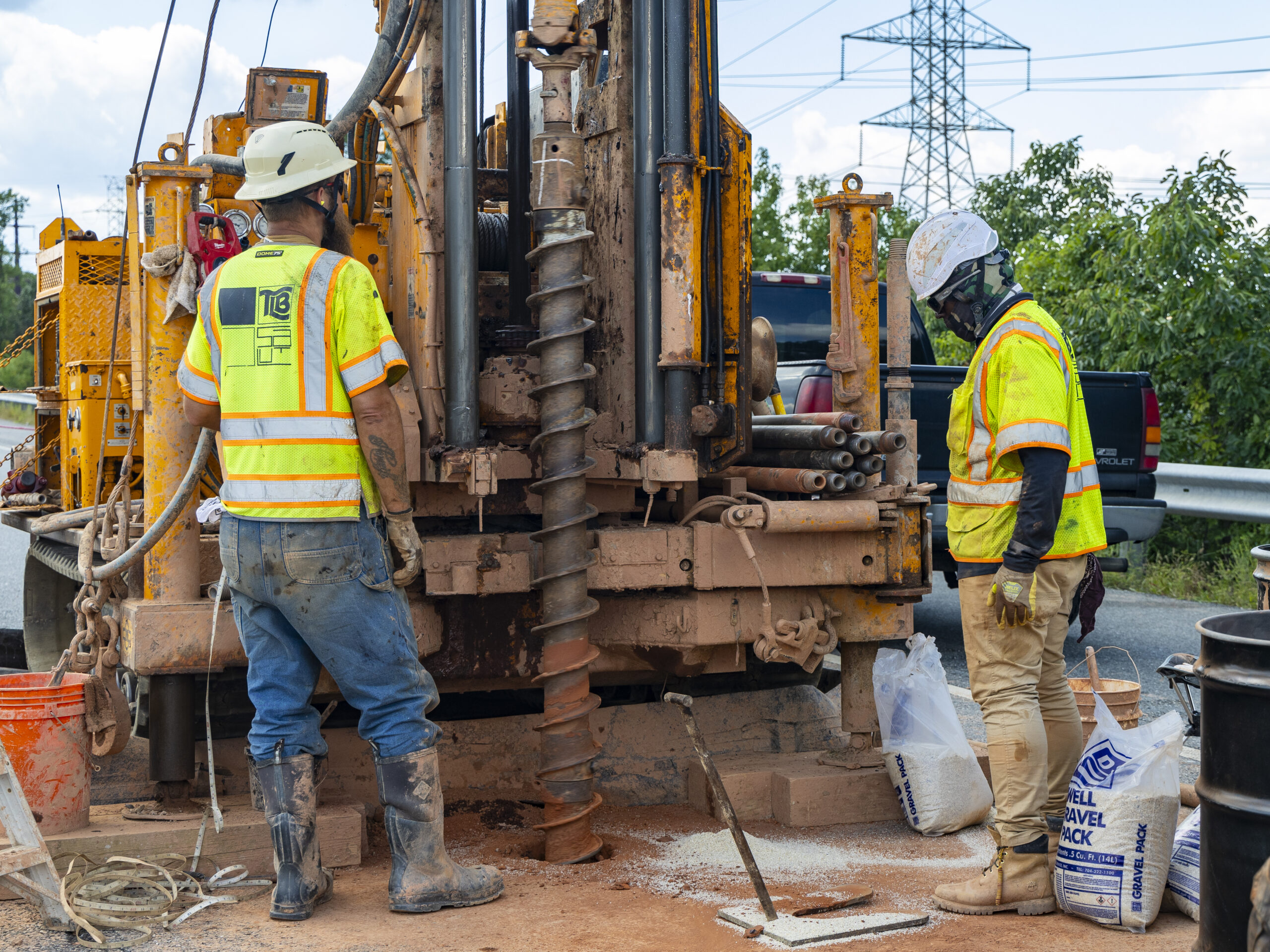
- Work Hours: Construction activity will predominantly occur Monday through Saturday during daylight hours.
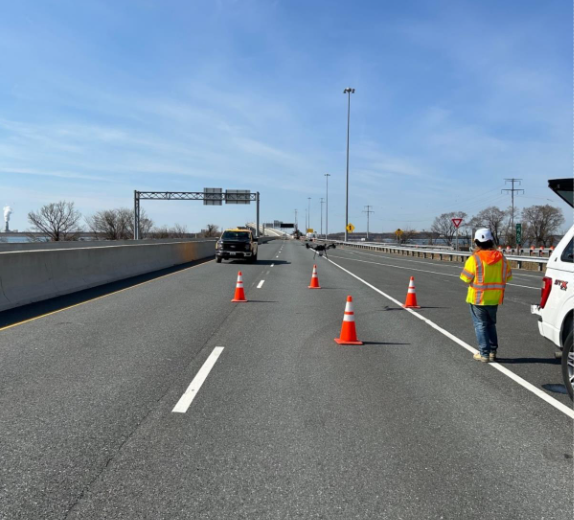
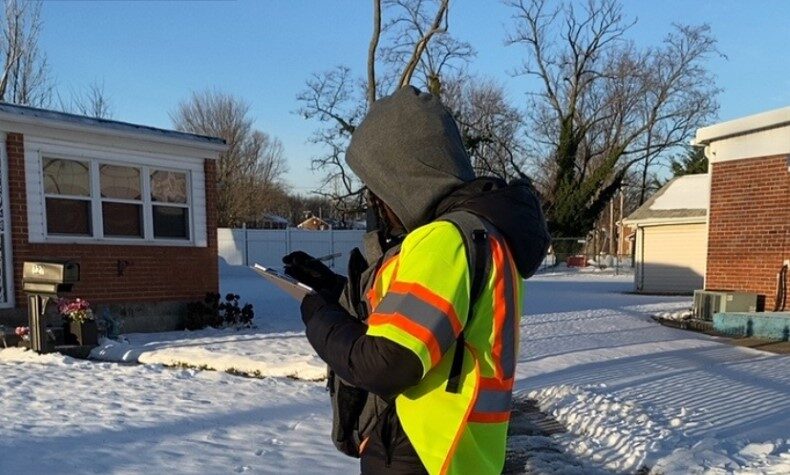
- Noise & Vibration Monitoring: Monitoring equipment is being used in nearby communities to provide real-time feedback to the construction team and help minimize disruption.
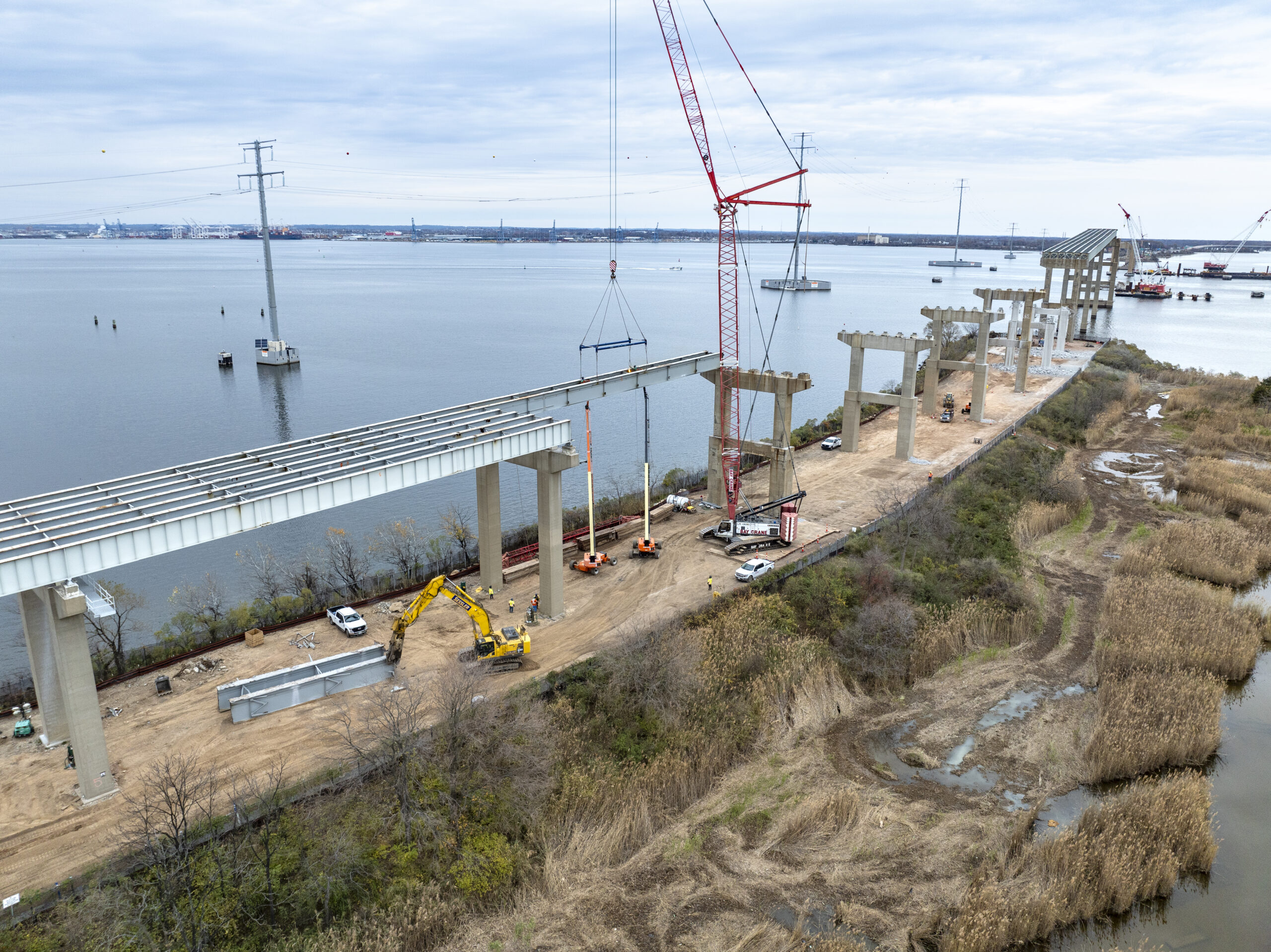
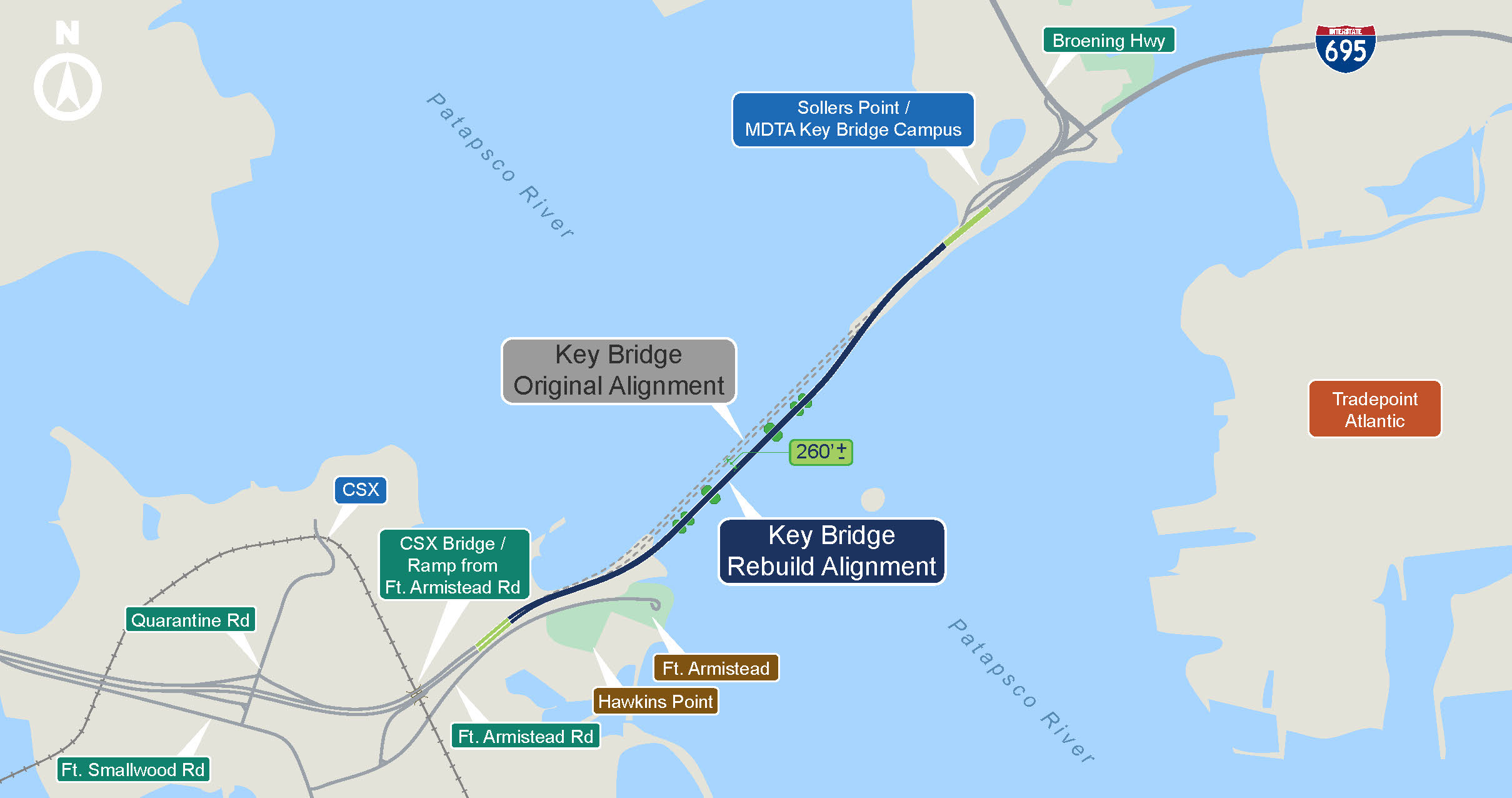
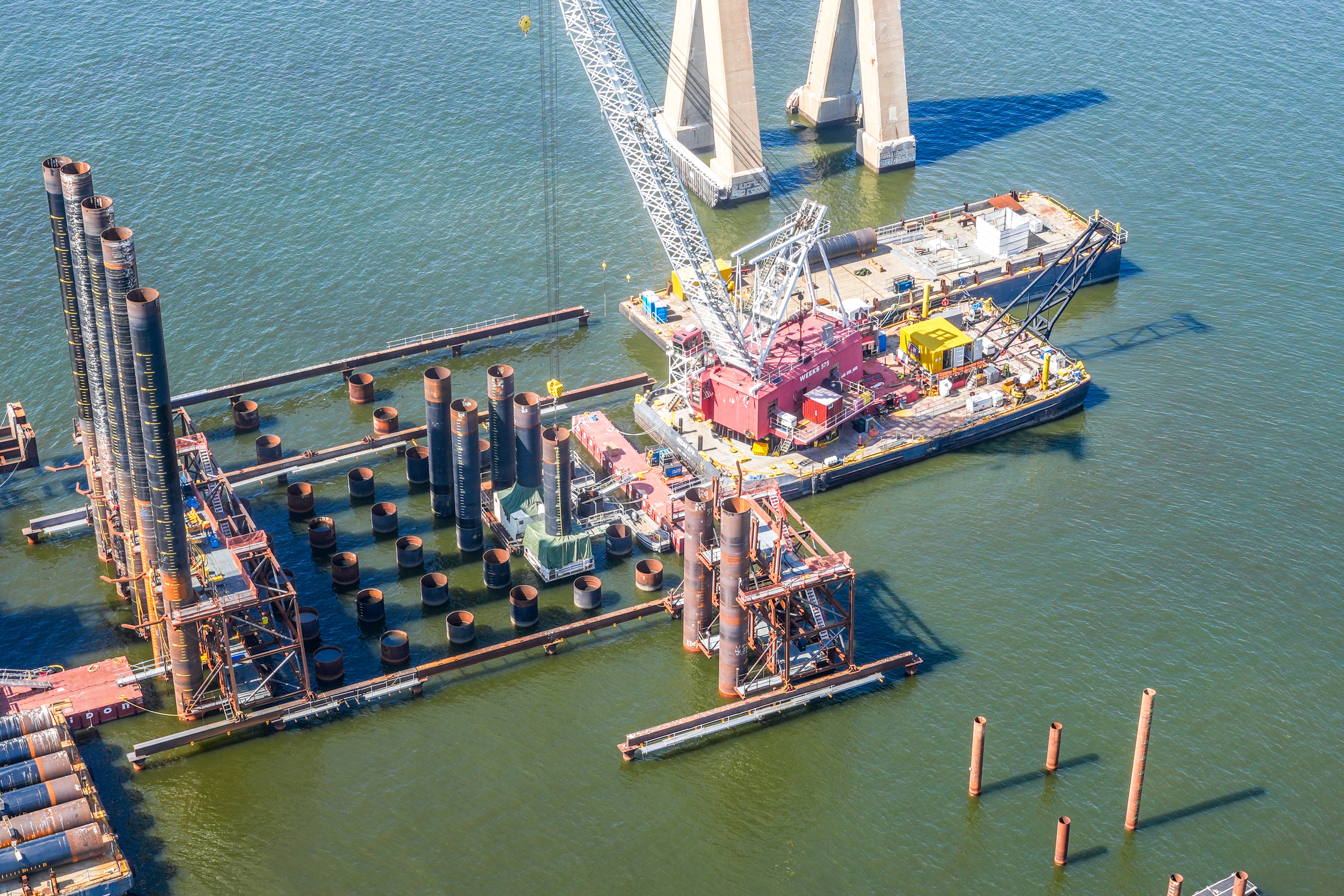
- You Will See: Large equipment, construction crews, trestles (work platforms) extending from Sollers Point and Hawkins Point to the North and South Pylons, and activity on land and in the water.
- You May Hear: Noise typical of large construction projects, including repetitive hammering sounds from pile driving.
Safety Guidelines for Waterway Users
To support safe navigation during construction, all waterway users should follow these safety guidelines:
- Stay Informed: Check the USCG District 5 Local Notice to Mariners for real-time updates and navigation alerts.
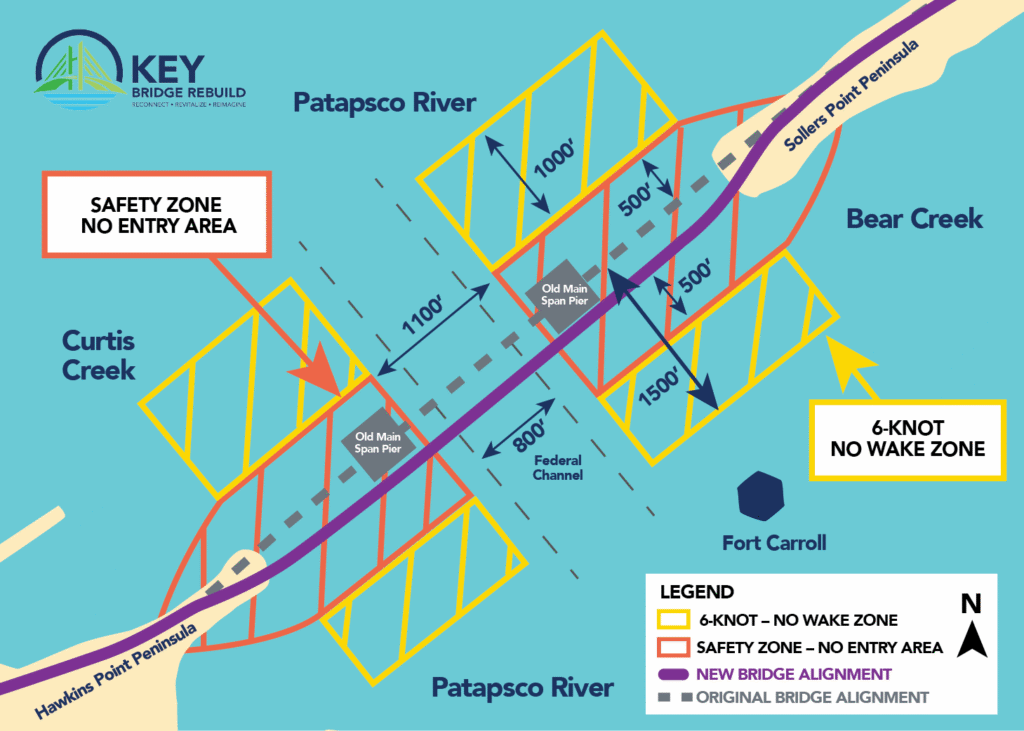
- Obey Safety Zones and No Entry Areas: Follow all Safety Zone-No Entry Area’s marked with lit, white hazard buoys. MDTA police boats are patrolling and enforcing restrictions.
- Federal Navigation Channel Remains Open: Please take precautions with larger ships.
- Slow Down Near Construction Zones: Maintain speeds of 6-knots or less to minimize wake when transiting adjacent to construction equipment and listen for important communication from project vessels via VHF FM marine radio channels 16 and/or 13. Watch for lights marking piles and trestle at night.
Work Schedule and Activities
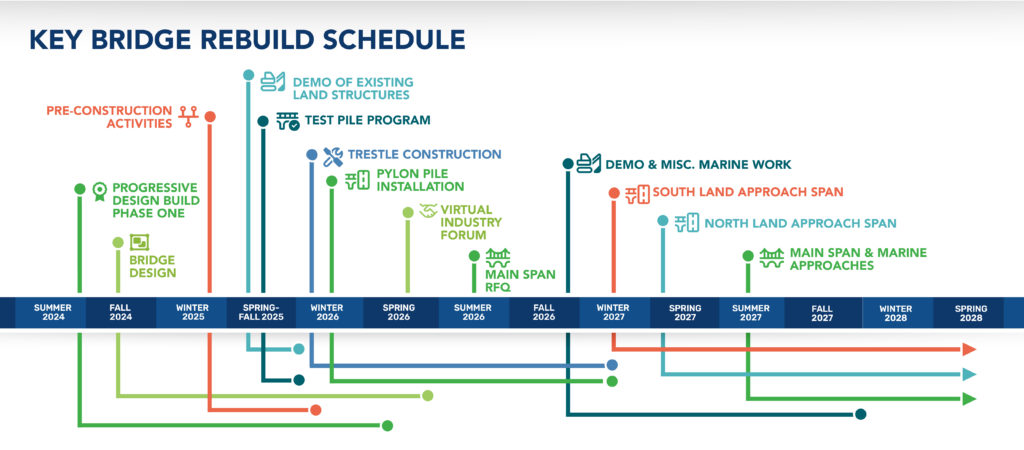
A look at the planned and ongoing work advancing the Key Bridge Rebuild.
Ongoing Activities
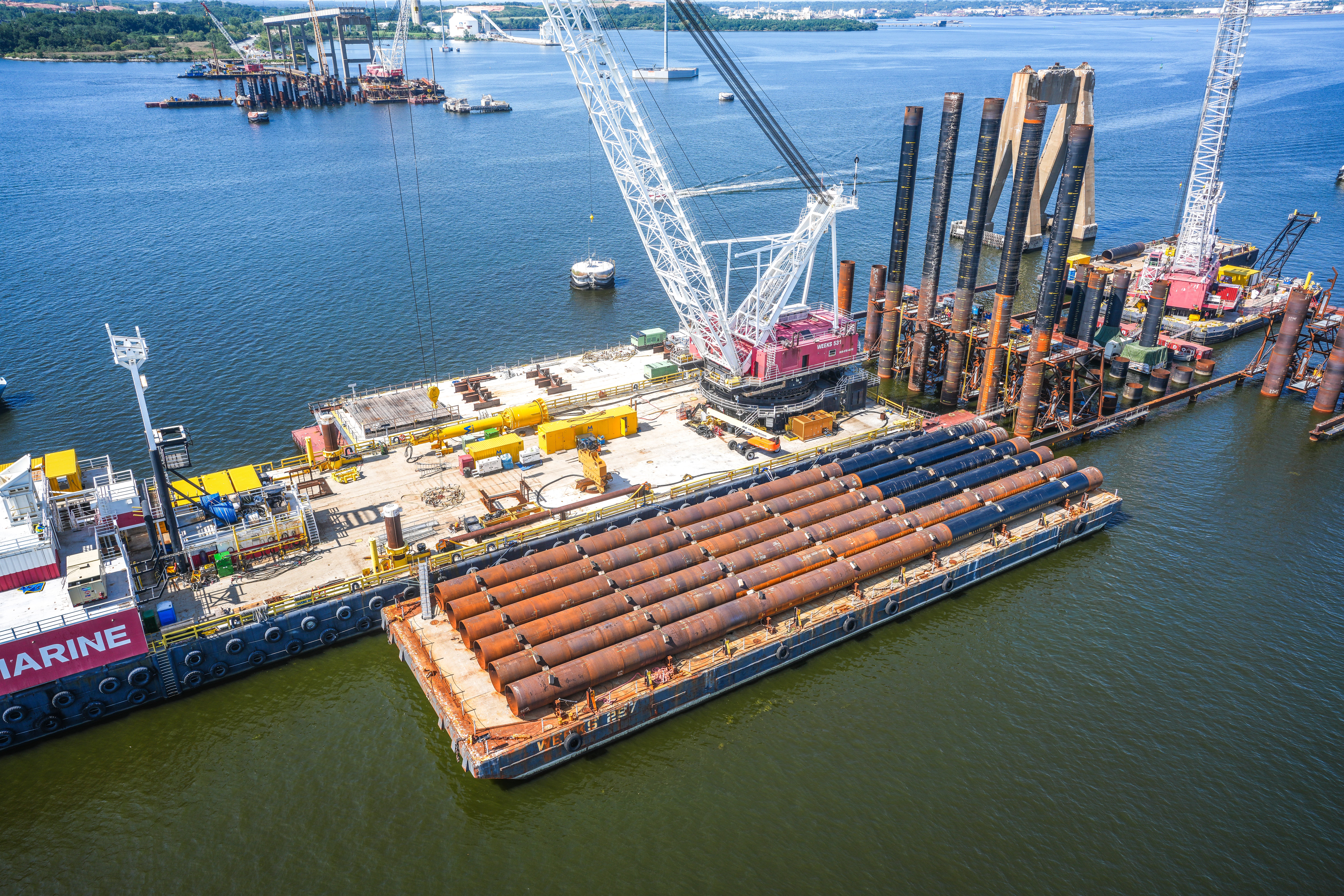
Permanent Foundation Piles Installation
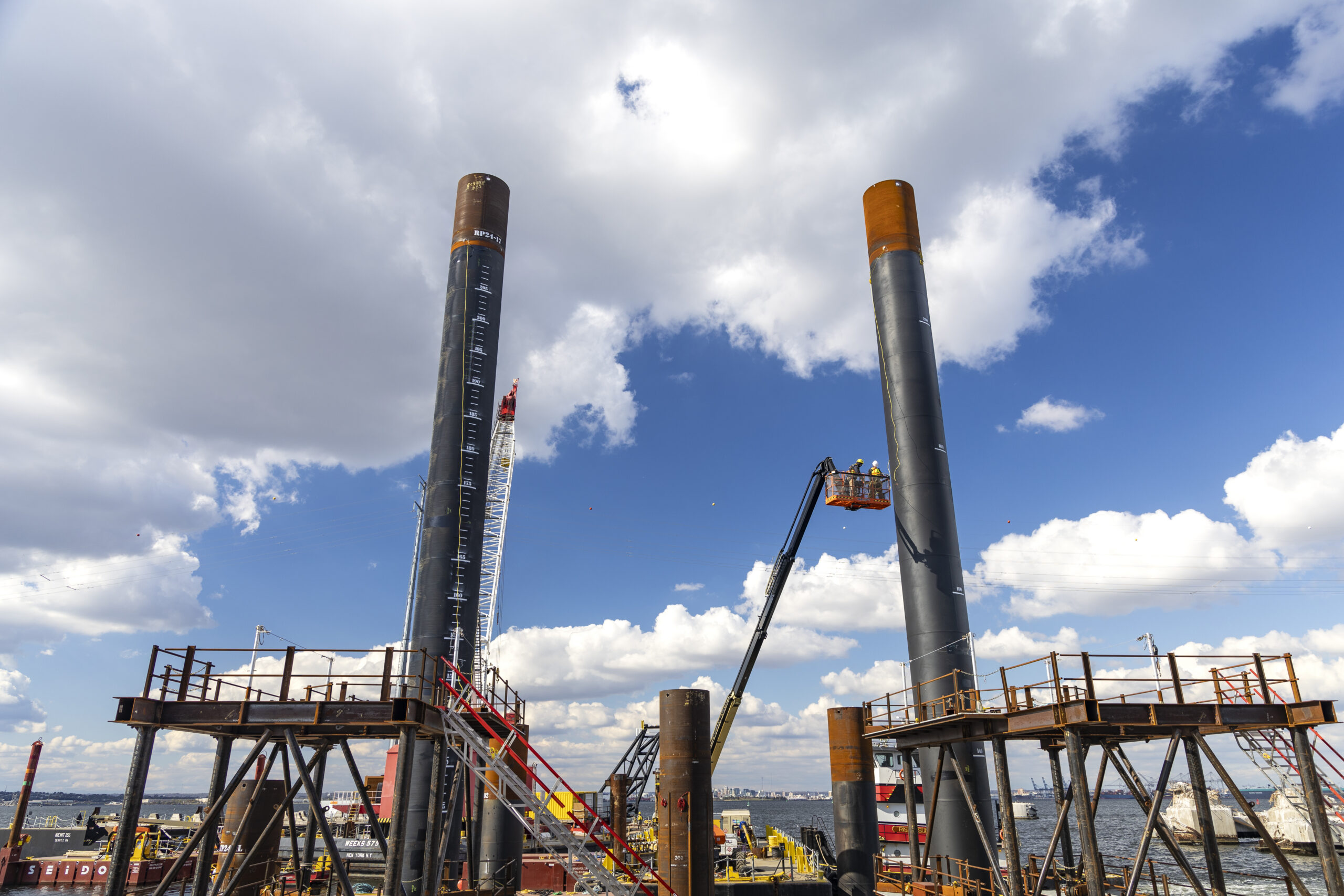
- The team drove the first permanent foundation pile in December 2025, marking the beginning of the main span construction.
- The team will continue to drive foundation and pier protection piles for the north and south pylons through Spring 2027.
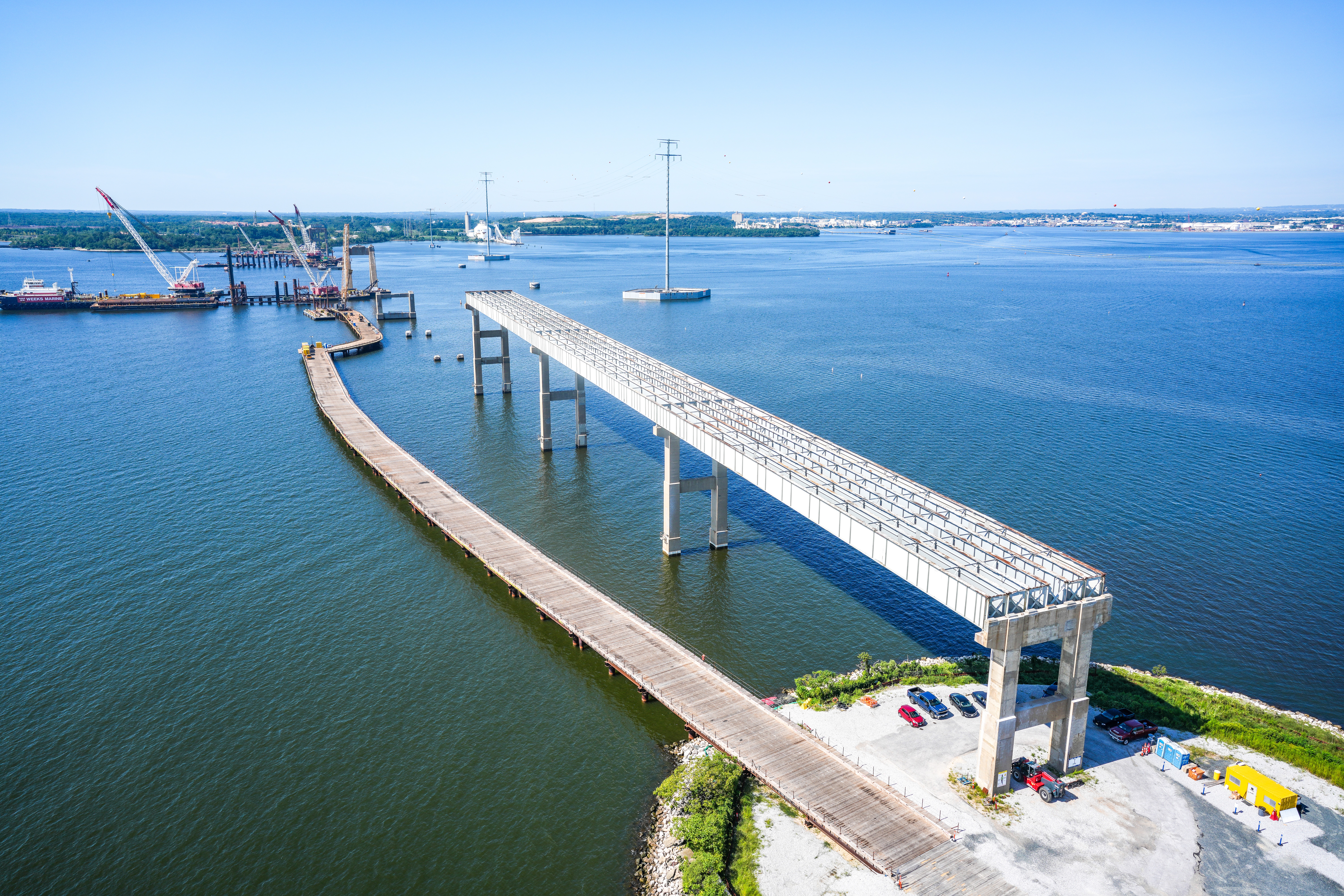
Temporary Trestle Construction
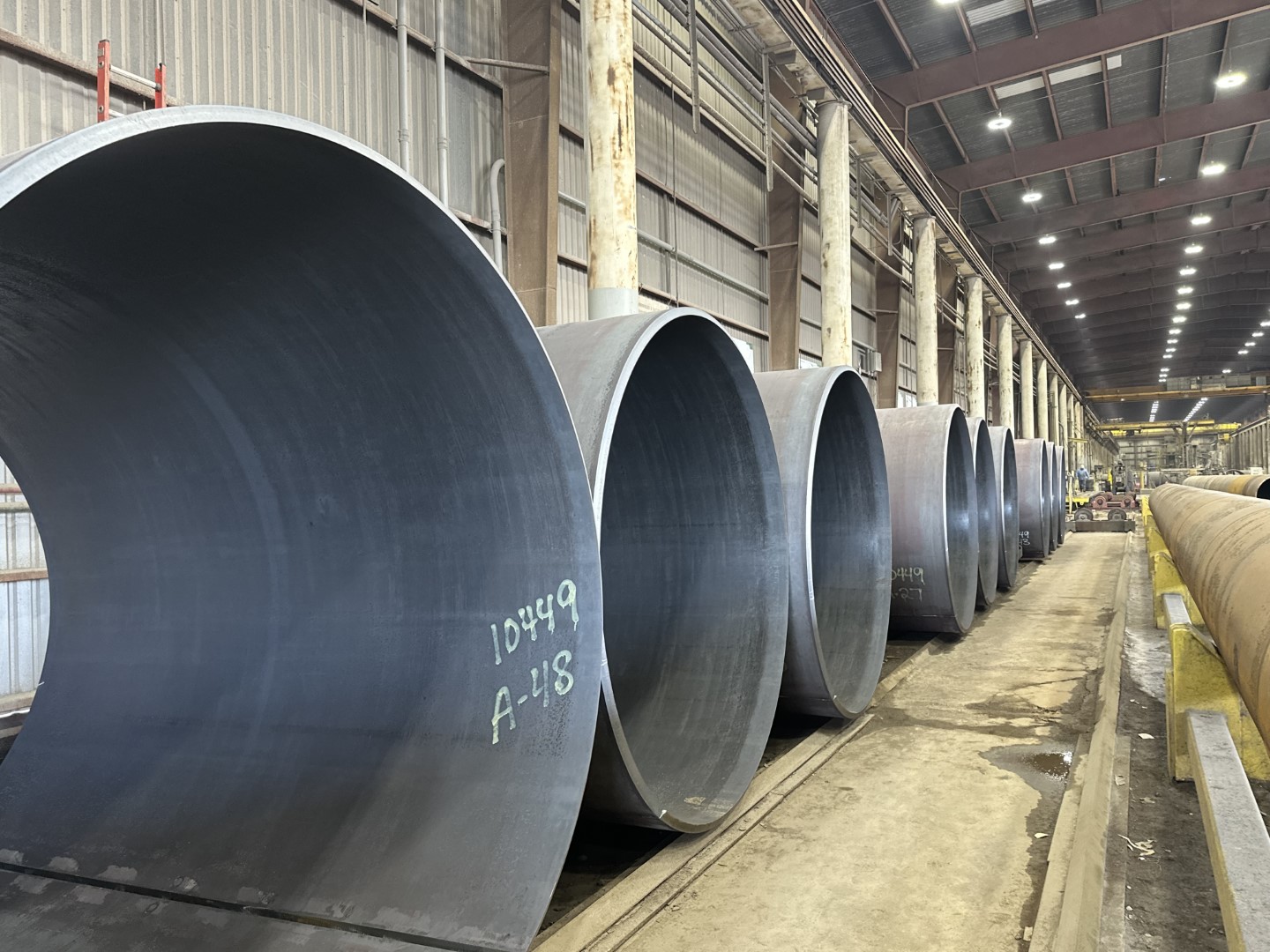
- The construction of the temporary trestles began in January 2025. The team has welded and driven all the piles and is finishing installing the crane mats.
- The north trestle is 2,200 feet and south trestle is 1,200 feet in length, totaling over 104,000 square feet of working area.
- These work platforms or trestles will allow for quick and safe drive-up access for crews, equipment, and materials from both peninsulas to the main pylons.
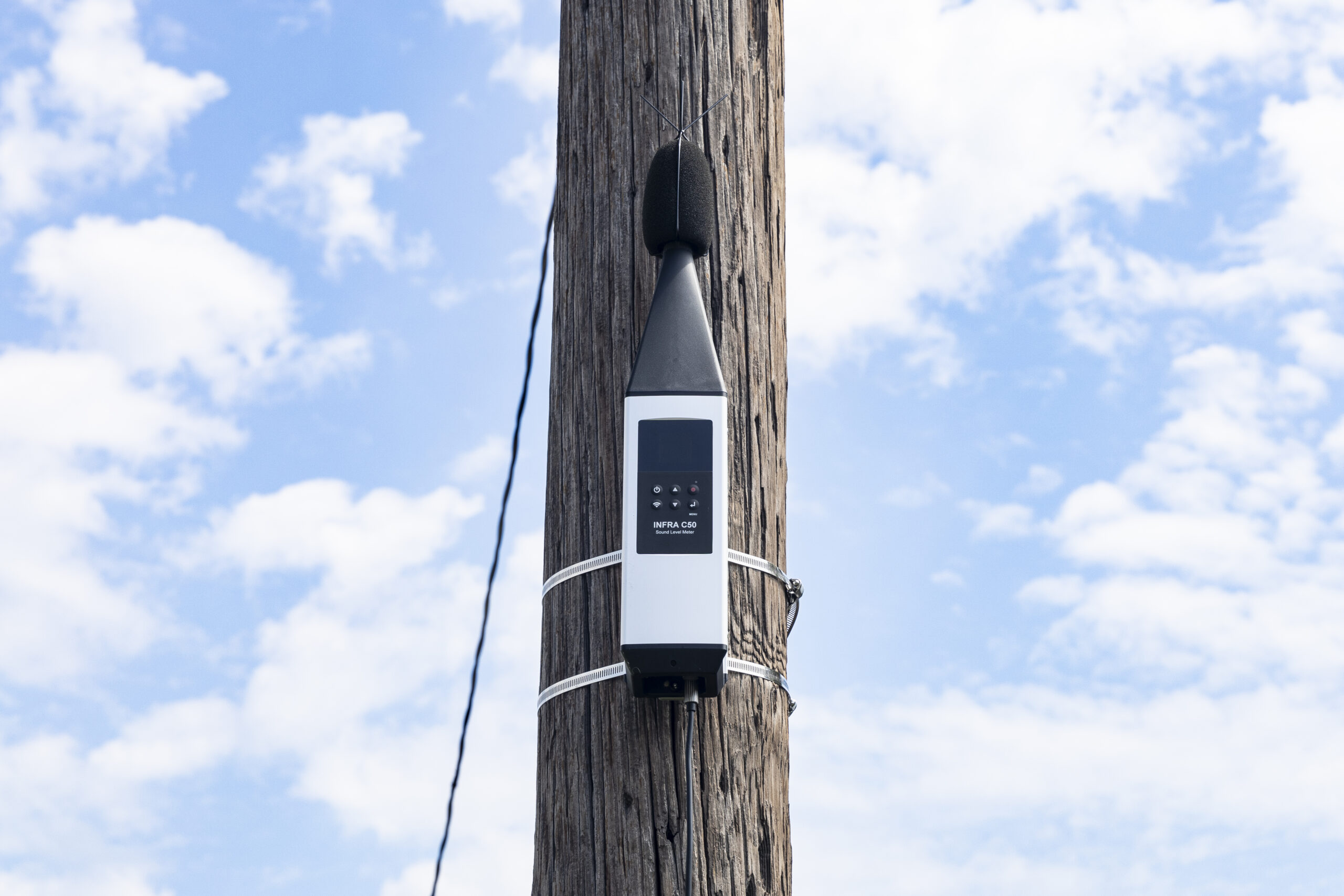
Noise and Vibration Monitoring
- Monitoring equipment was installed in nearby communities to record baseline noise and vibration levels before demolition, test pile installation, and full construction began.
- These baseline readings helped define normal everyday conditions in the area.
- Ongoing monitoring during construction allows the team to track changes in noise and vibration and respond as needed.