Whether you live, work, or travel near the bridge, we want you to know what to expect and what we’re doing to minimize disruptions.
Work Hours: Construction activity will typically occur Monday through Saturday during daylight hours within a 12-hour window.
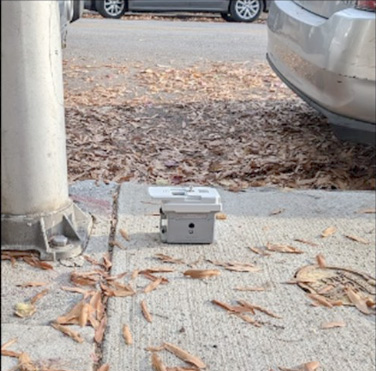
Noise & Vibration Monitoring: Monitoring equipment is being used in nearby communities to provide real-time feedback to the construction team and help minimize disruption.
You Will See: Large equipment, construction crews, and increased activity on land and in the water.
You May Hear: Noise typical of large construction projects, and loud, repetitive hammering sounds from pile driving.
Safety Guidelines for Waterway Users
To support safe navigation during construction, all waterway users should follow these safety guidelines:
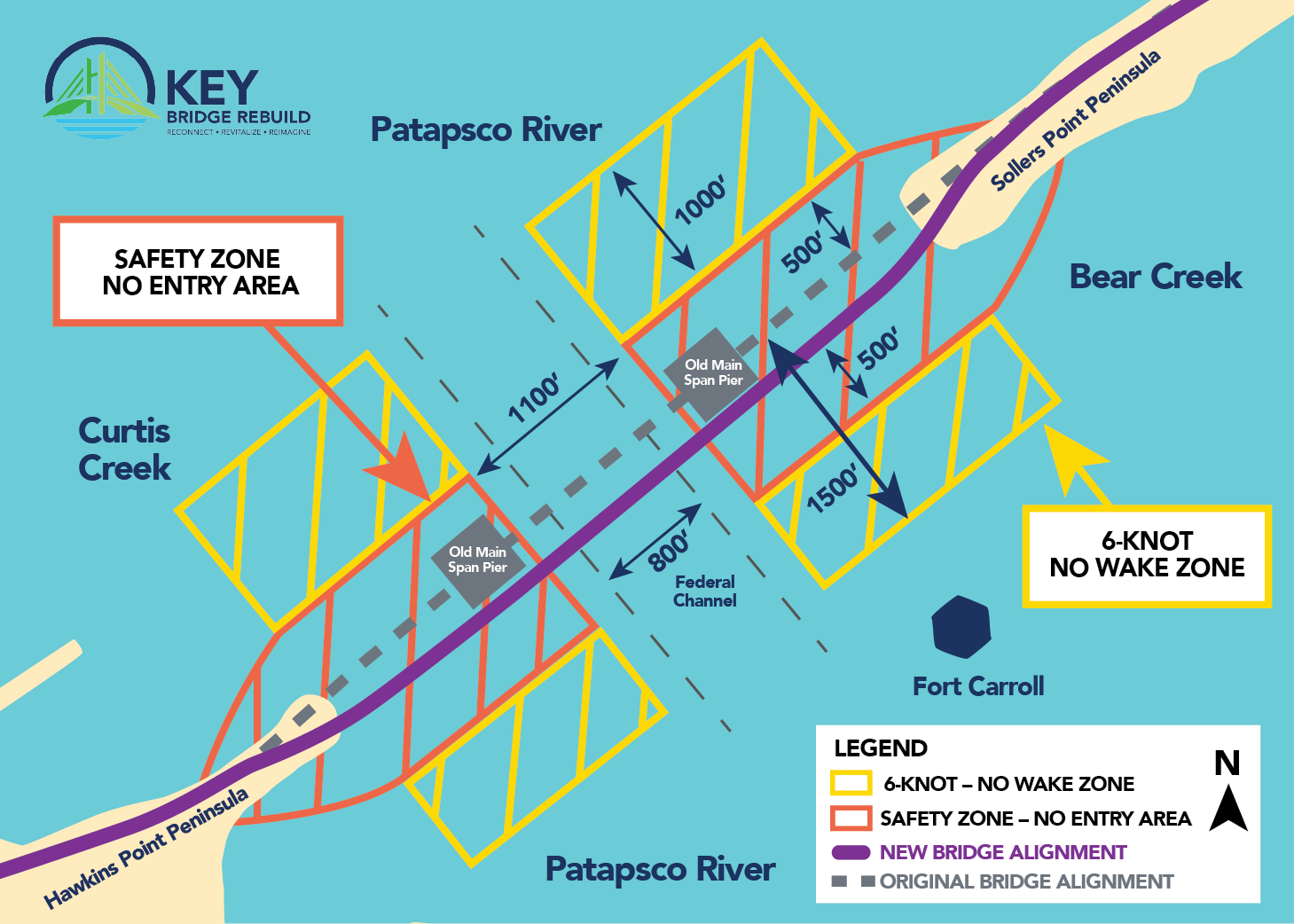
Obey Safety Zones and No Entry Areas: Follow all Safety Zone-No Entry Area’s marked as restricted areas.
Federal Navigation Channel Remains Open: Not subject to speed restrictions.
Slow Down Near Construction Zones: Maintain speeds of 6-knots or less to minimize wake.
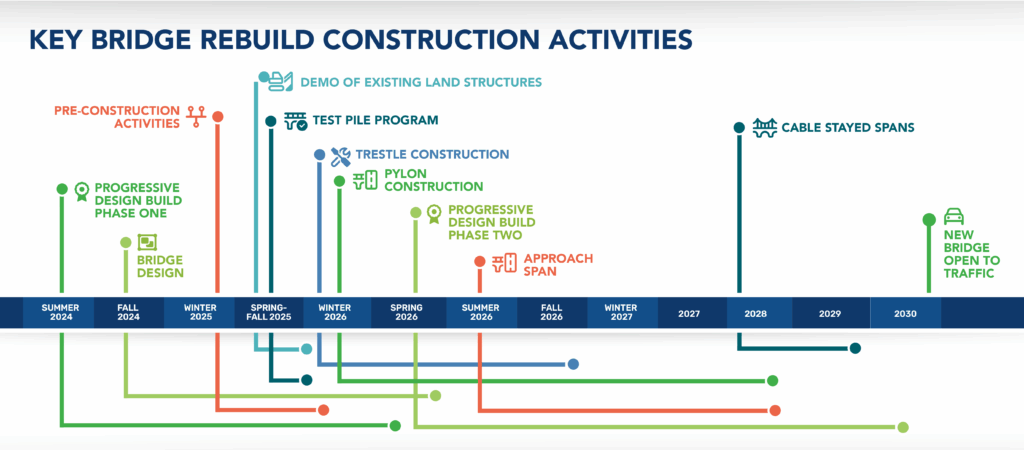
Demo of Existing Land Structures: Spring/Fall 2025 thru Winter 2026
Test Pile Program: Spring/Fall 2025 thru Winter 2026
Trestle Construction: Winter 2026 thru Fall 2026
Pylon Construction: Winter 2026 thru 2028
Progressive Design Build Phase 2: Spring 2026 thru 2030
Approach Span: Summer 2026 thru 2028
Cable Stayed Spans: 2028 thru 2029
New Bridge Open to Traffic: 2030
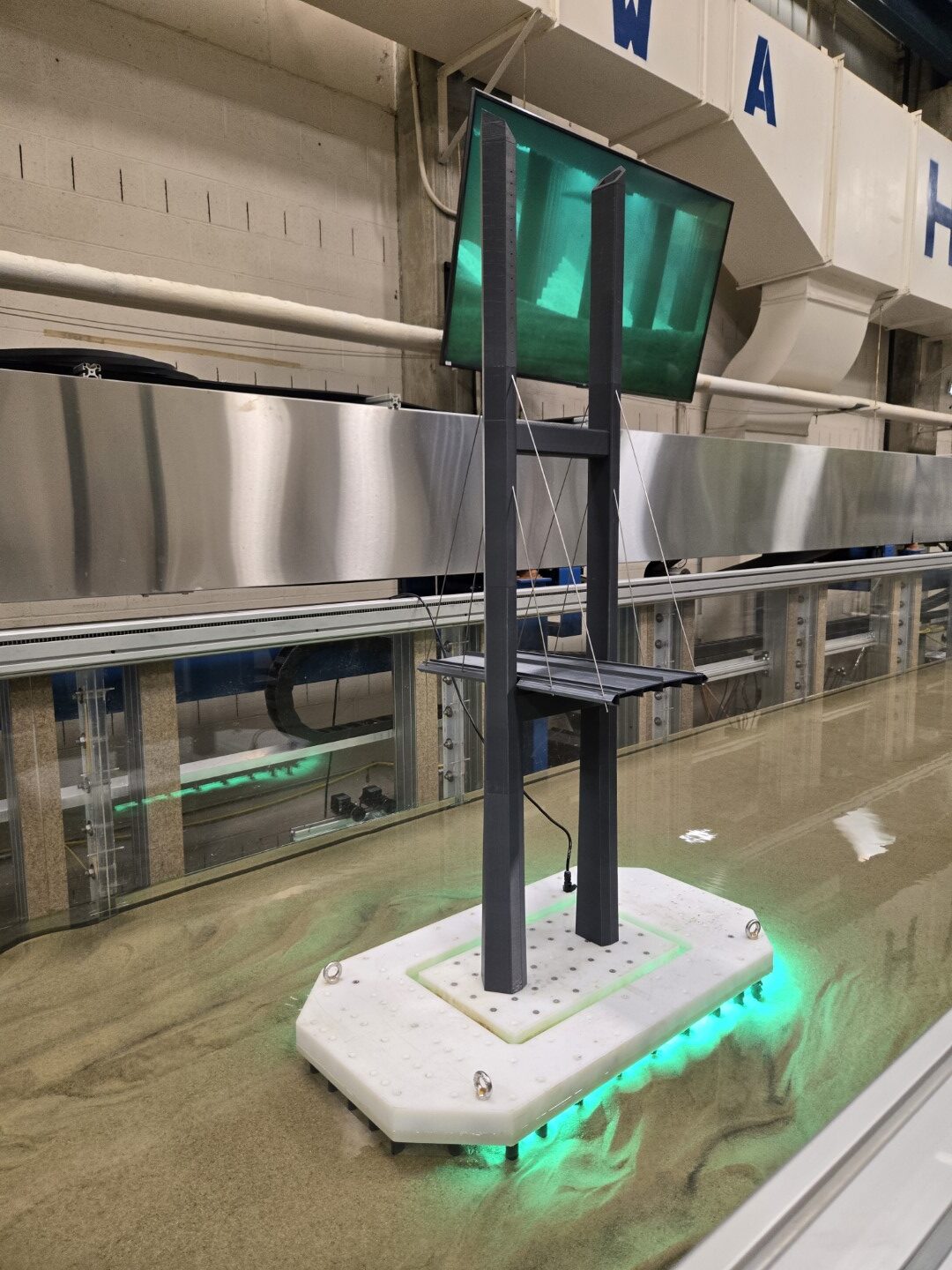
Wind Tunnel Testing
Engineers simulated conditions to study how the bridge responds to various wind loads.
The bridge’s cross section was tested based on wind and traffic patterns from the final design.
Survey & Mapping
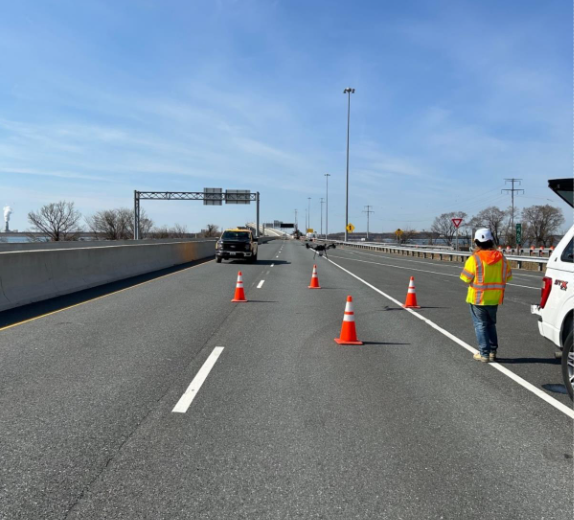
Crews collected of topographic data using drone flights, right-of-way boundary surveys and subsurface utility mapping to support detailed design work.
Scour Testing
Specialists modeled water flow around the bridge’s foundation and support piles to assess impacts on the riverbed and ensure long-term structural stability.
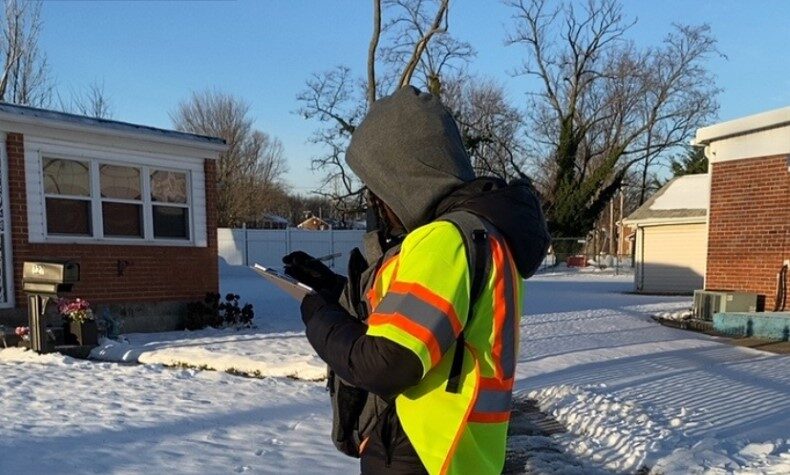
Property Inspections
Teams completed 1,121 property inspections to document baseline conditions before major construction begins.
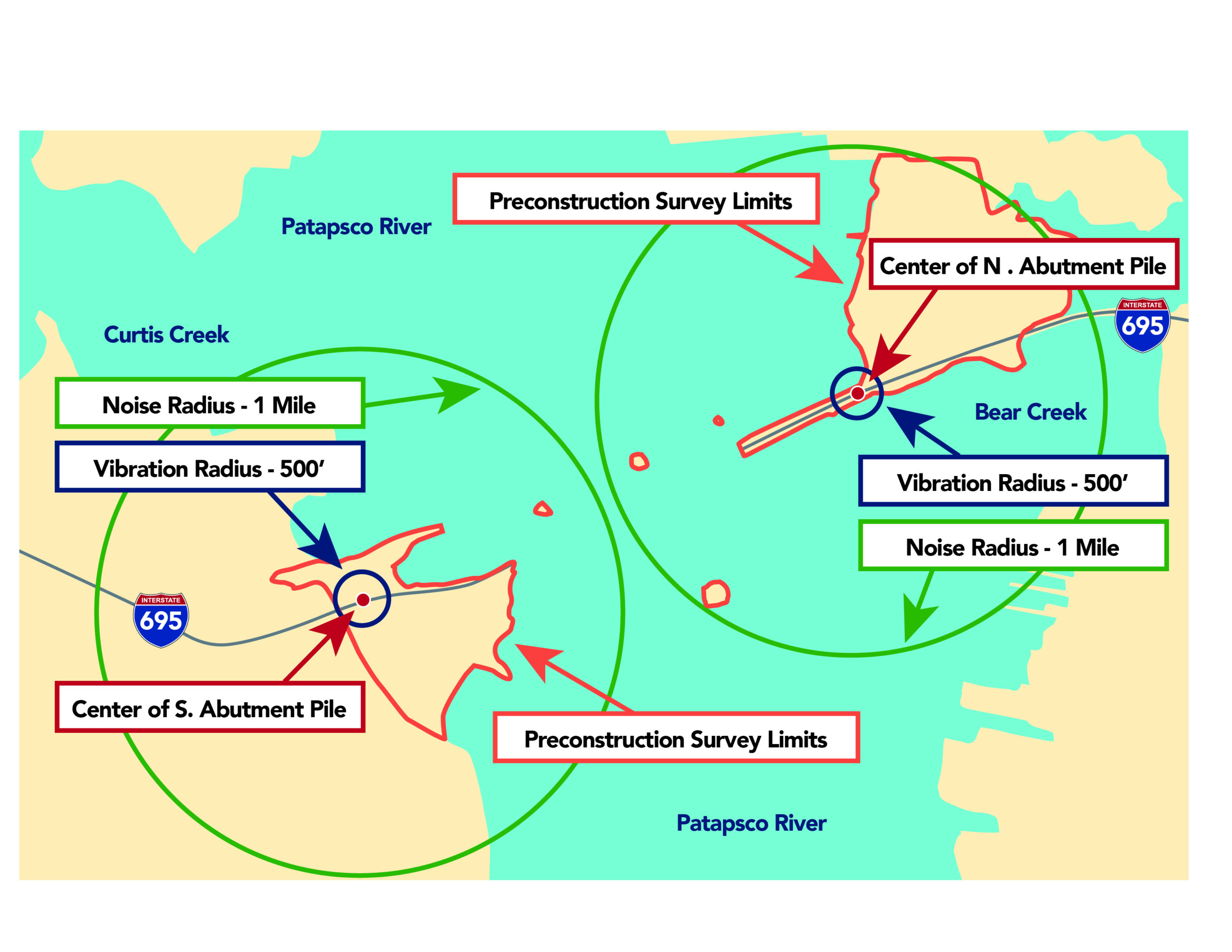
Inspections covered properties within a 1-mile radius of the northernmost and southernmost pile-driving locations.
Photo and video documentation during inspections captured pre-construction conditions of the properties.
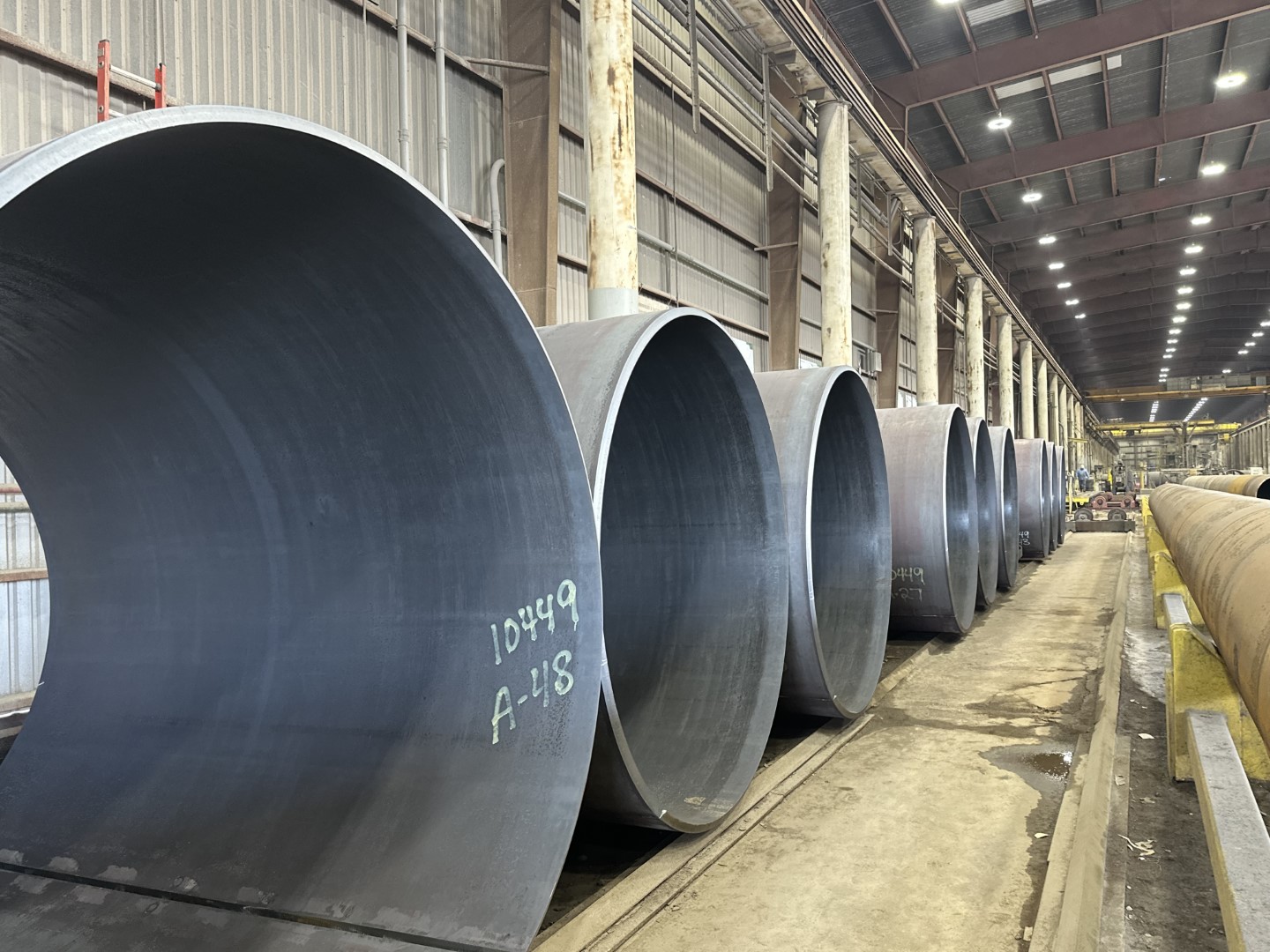
Test Pile Fabrication
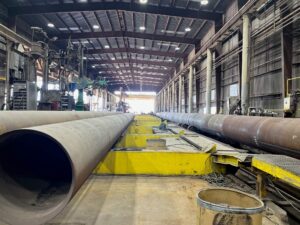
Crews are fabricating test piles and load test frames for the upcoming pile load testing program, which supports the design of the bridge’s main span.
Each test pile is built piece by piece, with the finished piles measuring 8 feet wide and over 200 feet long.
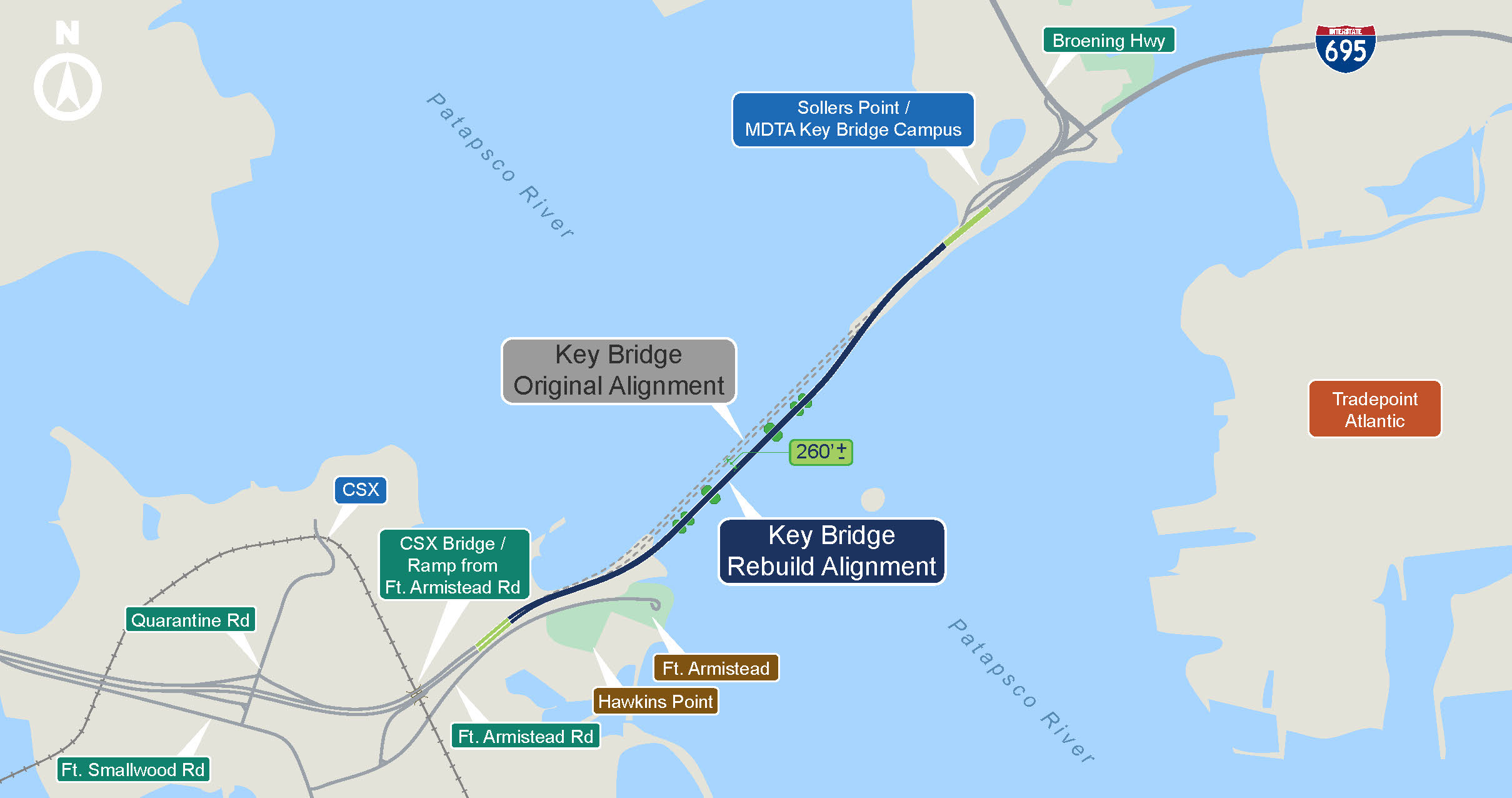
Bridge Alignment
Based on months of field investigations and engineering analysis, the new bridge alignment was determined to be slightly east (downriver) of the original structure.
The alignment remains entirely within MDTA’s existing right-of-way.
Geotechnical Investigations
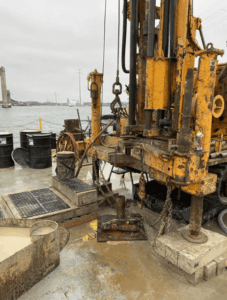
Engineers conducted extensive marine-based borings in the Patapsco River riverbed and land-based borings along the bridge alignment to evaluate soil conditions and support the pile and foundation design.
Laboratory tests classified the soils found in the riverbed and on the north and south sides of the bridge.
The geotechnical boring results identified the soil profile beneath the surface, helping guide the design of the bridge foundations.
Noise & Vibration Monitoring
Monitoring equipment was installed in nearby communities to record baseline noise and vibration levels before demolition, test pile installation, and full construction begins.
These baseline readings help define normal everyday conditions in the area.
Ongoing monitoring during construction allows the team to track changes in noise and vibration and respond as needed.
Upcoming Activities
Over the next few months, visible activity will increase on the Patapsco River. Schedules are still being refined, but the MDTA will provide advanced public notice two weeks before these activities begin.
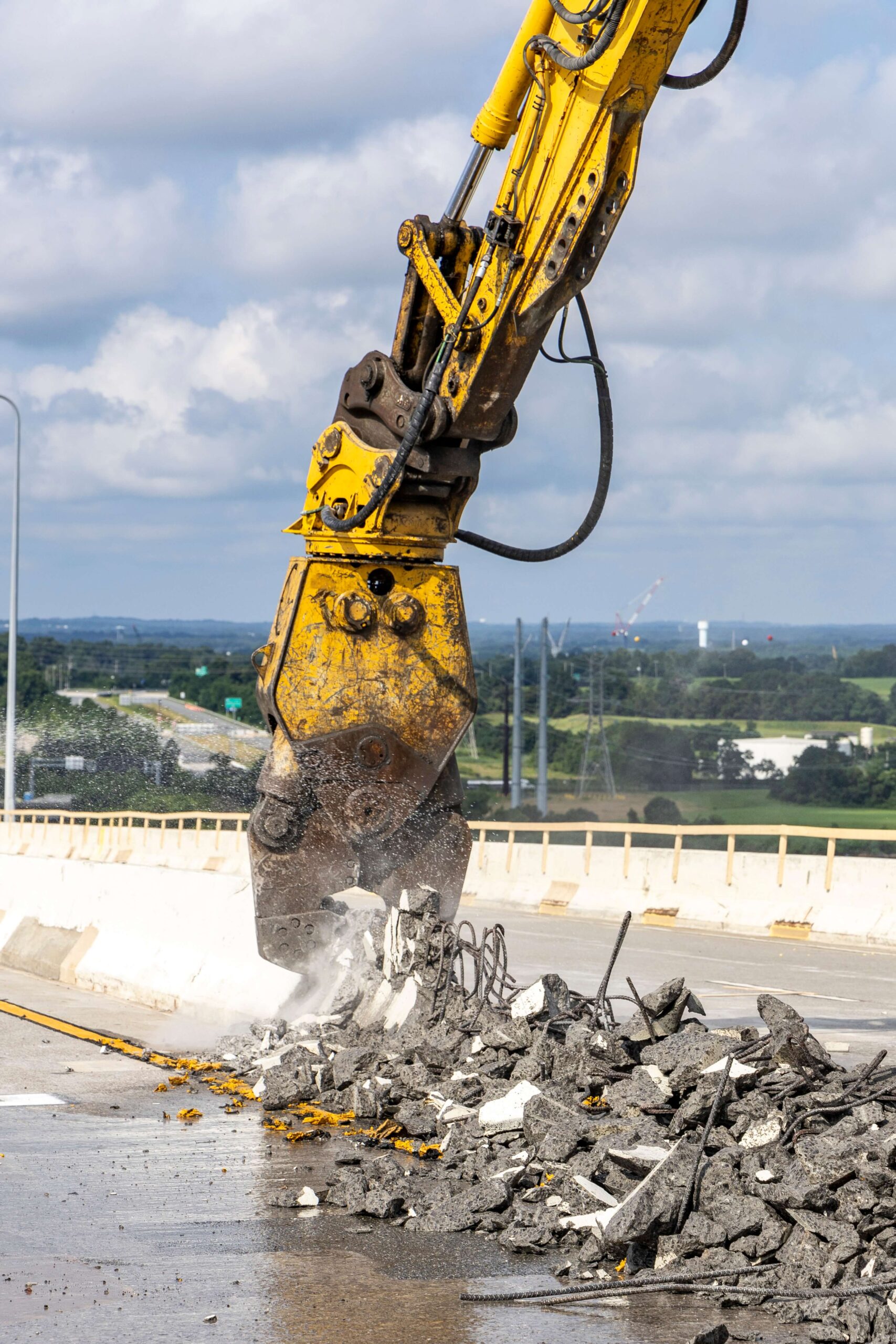
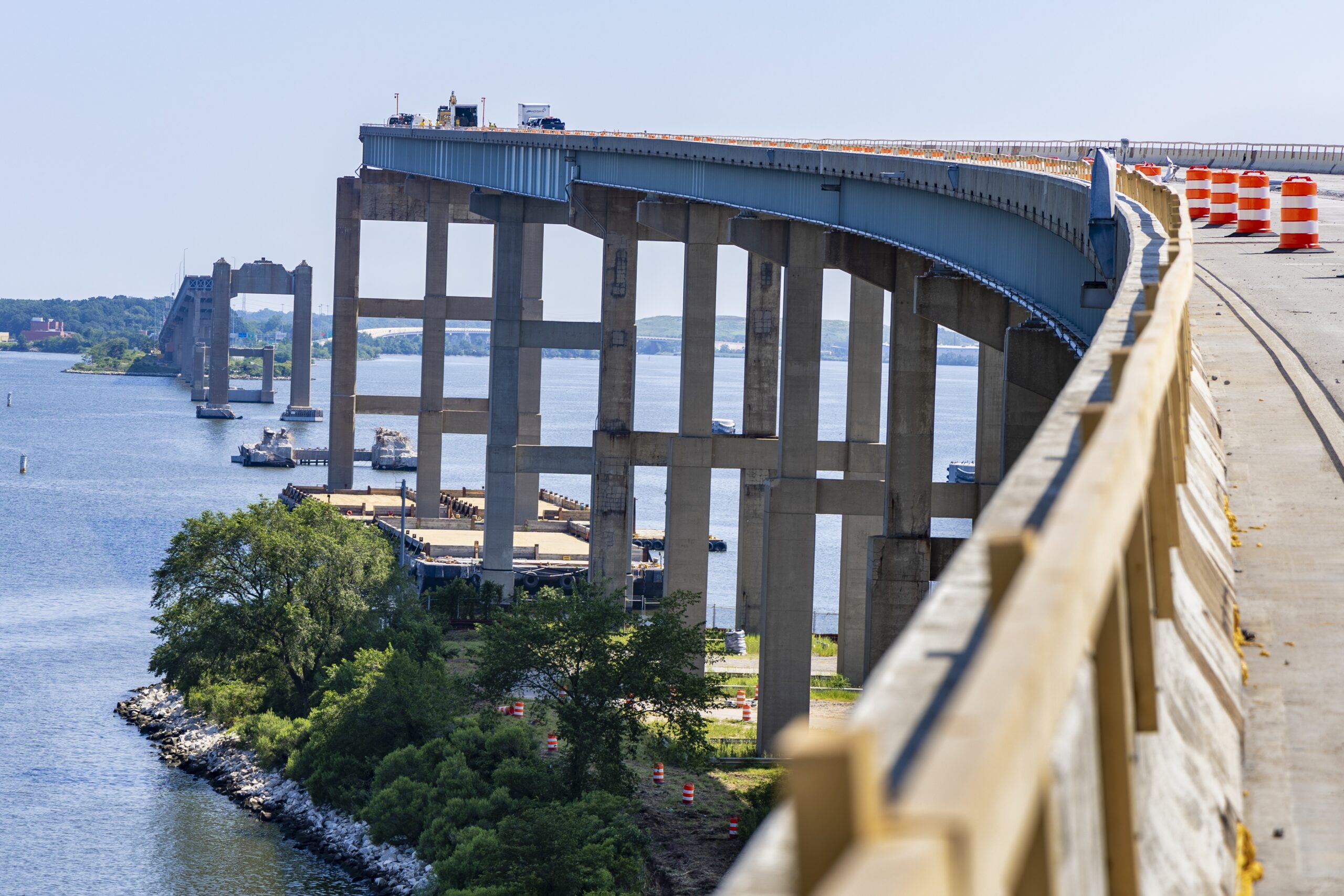
Description: Removal of portions of the existing Key Bridge using heavy machinery.
Focus: Removal of existing structures begins with the bridge deck, followed by the steel girders over the river, followed by the removal of the remaining landside bridge elements over Hawkins Point and then Sollers Point.
Duration: Began Summer 2025 and will last several months.
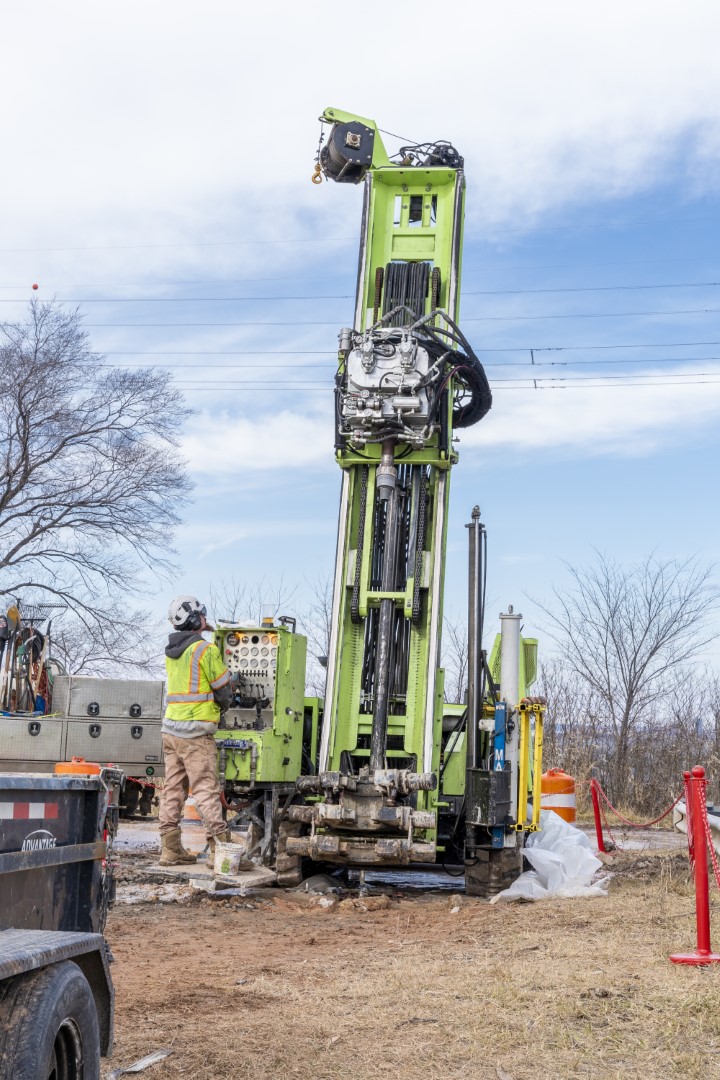
Description: Soil drilling and sampling along the bridge alignment to support foundation design as well as construction access planning.
Focus: Land- and marine-based drilling using truck or track-based drill rigs on Hawkins Point and Sollers Point as well as barge-mounted rigs and support vessels in the river.
Duration: Began Summer 2025 and ongoing throughout Fall 2025.
Construction Related News
Progress Continues as Test Pile Program Set to Begin for Key Bridge Rebuild
BALTIMORE (September 24, 2025) — The Maryland Transportation Authority (MDTA) today announced the Test Pile Program for the rebuilding of the Francis Scott Key Bridge is expected to begin on […]
Demolition Set to Begin as MDTA Shares Key Bridge Rebuild Update Press Release – June 26, 2025
BALTIMORE (June 26, 2025) — The Maryland Transportation Authority (MDTA) today announced that demolition of the existing structures of the Francis Scott Key Bridge is expected to begin on or […]
In January 2025, the MDTA’s progressive design build team began pre-construction property inspections to approximately 1,100 homes and businesses in the adjacent communities of the Key Bridge Rebuild project area. […]
MDTA Announces Construction Management and Inspection Services Contracts Press Release – February 12, 2025
BALTIMORE (February 12, 2025) – The Maryland Transportation Authority (MDTA) today announced three $20 million Construction Management and Inspection Services contracts which were approved today by the Maryland Board of […]
GEC Contract, Facebook Page Launch, Pre-Construction Activities Begin Press Release – January 8, 2025
BALTIMORE (Jan. 8, 2025) – The Maryland Transportation Authority (MDTA) today announced a $75 million General Engineering Consultant services contract which was approved today by the Maryland Board of Public […]
Based on the latest estimates released in November 2025, the MDTA now anticipates the new bridge will open to traffic in late 2030. Recent pre-construction activities, updated datapoints, and design – not available in the immediate days following the bridge collapse – have been used to inform the MDTA on an updated estimated cost and schedule for the project. The MDTA remains committed to rebuilding the Key Bridge with safety, economic vitality, and sound stewardship of taxpayer dollars as top priorities, and will continue to provide updates as more detailed schedule information becomes available. Learn more
The new bridge will be Maryland’s first highway cable-stayed bridge, which will consist of two lanes in each direction and have a minimum vertical clearance of 230 feet to support larger vessels. It will be constructed according to the most advanced industry standards and best infrastructure design practices. Cable-stayed bridges have proven to be the most economical for bridges with similar span lengths and allow for a faster construction time compared to other complex bridge types. The maintenance costs of cable-stayed bridges are also less than those of other comparable bridge types.
The State of Maryland continues to pursue the DALI’s owner and manager for all of the damages caused by their negligence and incompetence – including the cost to reconstruct the Francis Scott Key Bridge – so that the parties responsible for this tragedy pay for the damages they caused. The American Relief Act, 2025, provides that if any additional funds are required to build the new bridge beyond the compensation paid by the DALI, the federal government will provide that funding.
While the demolition and rebuild process may have some impact, as noted above, the Federal Highway Administration (FHWA) determined that the replacement Key Bridge will have limited environmental impacts, as it stays within MDTA’s right-of-way and maintains the same four-lane capacity.
The MDTA collaborates closely with state and local partners to minimize impacts on the Patapsco River and surrounding communities. Boat traffic is limited to old main span piers, including the navigational channel and the 150-foot buffer areas on either side of the channel near the construction site. Fort Armistead Park and Bear Creek access will remain open through construction of the new bridge. Waterway users need to slow down and use caution while transitioning through the permissible areas. A 6-knot speed zone has been implemented by the Maryland Department of Natural Resources and extends 1,500 feet upstream of the old bridge and 1,500 feet downstream of the new bridge, excluding the navigation channel. The U.S. Coast Guard-enforced Temporary Safety Zones (TSZs) or Exclusion Zones are similar but defined by white buoys and based on active work. The TSZs will be in place for the duration of the demolition and rebuild processes.
Environmental and Permitting Efforts: Coordinated with Federal and State partners to obtain all necessary permits
Geotechnical Investigations: Extensive water-based borings of the Patapsco riverbed and land-based boring along the bridge alignment were completed to assess soil conditions and identify potential subsurface obstructions.
Survey and Mapping: Collection of topographic data, right-of-way boundaries, and subsurface utility mapping to support detailed construction planning.
Property Inspections: Completed 1,121 property inspections and documentation to establish baseline conditions ahead of major construction activities.
Noise and Vibration Monitoring: Installation of monitoring equipment in surrounding communities to capture baseline noise and vibration data prior to the start of test piles and full construction.
Wind Tunnel Testing: Modeling real-world wind conditions to study the structures response in order to fine-tune the design.
Scour Testing: Modeling how water moves around the foundation and piles to understand impacts to the riverbed.
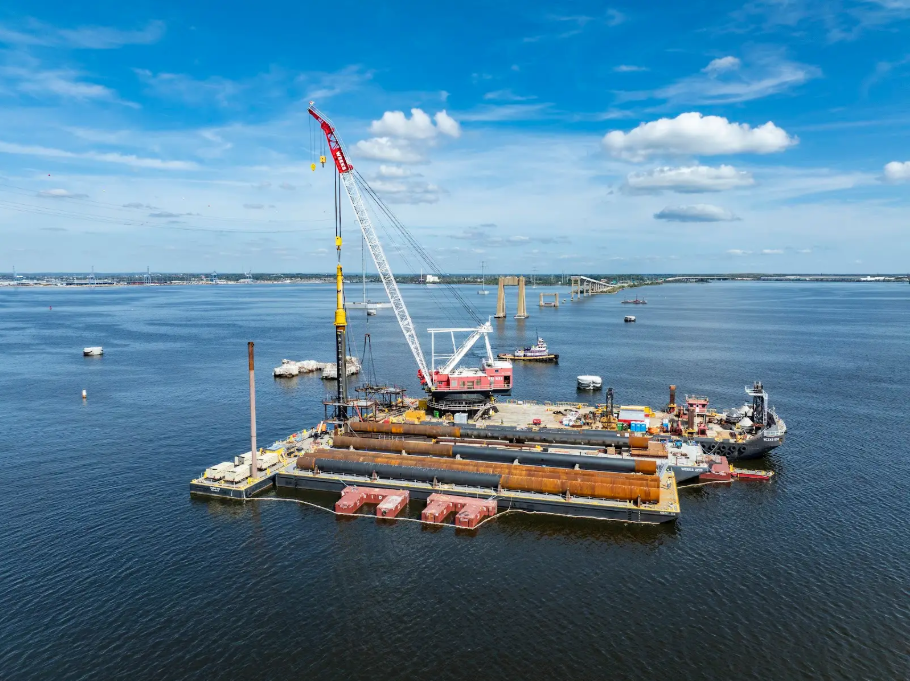
Test Pile Program: 8-foot diameter and 200+-foot long American-made steel test piles have started to be driven into the Patapsco River in support of the reconstruction efforts.
Demolition of the remaining Key Bridge structures—both on land and over water—will occur in phases beginning in summer 2025 and will take several months to complete. Heavy machinery will be used throughout the process, which will not involve controlled detonations.
Work will begin with the removal of the deck, barriers, and parapets over the river from both Hawkins Point and Sollers Point. Crews will then remove the deck, barriers, parapets, girders, and piers on the landside approaches, down to just below ground level, at both locations. The final step will be the removal of the original north and south abutments.
Test piling serves as proof of concept to determine how strong and stable foundation supports (piles) are as they interface with the native soil, to make sure they can safely hold up the structure. Periodic test pile driving began in October 2025 and will continue through early Winter 2025/26. The results will guide the final design and construction of the main span foundations.
The MDTA has installed noise and vibration monitors to collect data on the construction activities. Bubble curtains around the test piles have also been installed to reduce noise and vibration impacts as well as deter fish and other wildlife from entering the construction zone.
A construction trestle is a temporary support structure used in various construction projects, particularly in bridge and elevated roadway construction. It typically consists of a framework made from materials such as steel or timber, designed to bear significant loads. In the case of the Key Bridge, the trestle will look similar to a conventional roadway bridge that is close to the Patapsco waterline and will be used exclusively by construction personnel.
The primary function of a construction trestle is to provide a stable platform for workers and equipment and to support the weight of structural components during assembly. This method ensures that the construction process can proceed safely and efficiently.
Once the bridge is reconstructed, the trestle is dismantled and removed from the site. This temporary support system is crucial for maintaining the integrity and safety of the construction process.
The trestle will be constructed within the limits of disturbance that were identified in the original environmental approval.